
07 MARCH 2026

The history of mid-engine Astons | History Corner

The history of mid-engine Astons | History Corner

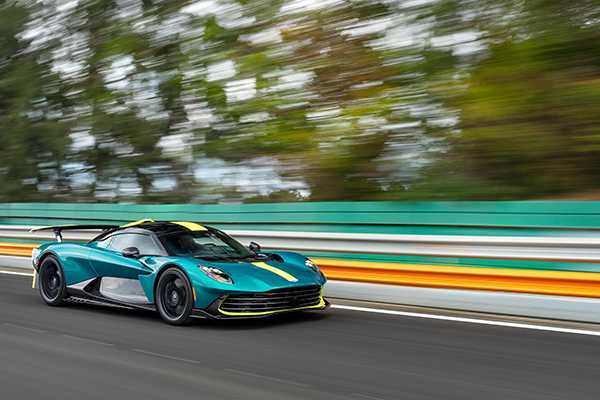
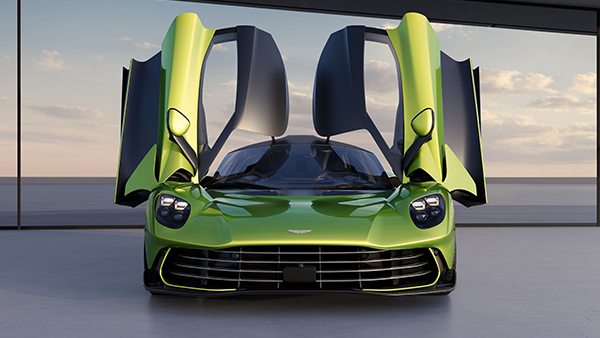
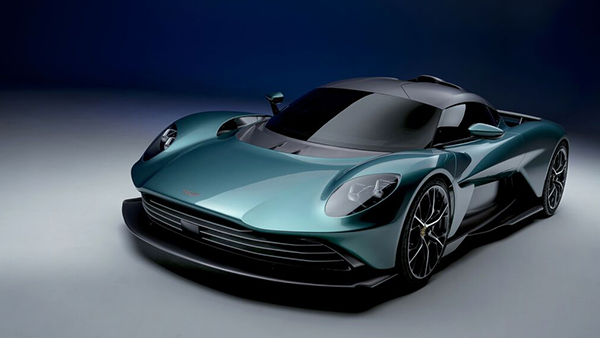
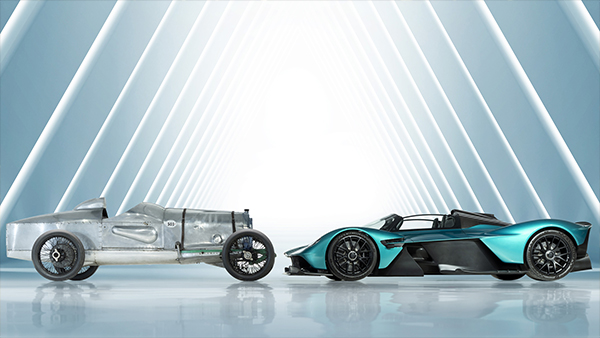
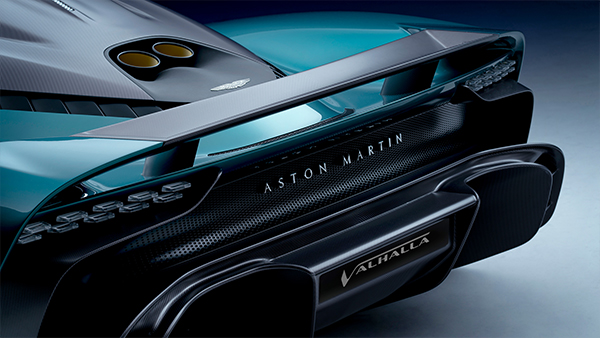
For many, the mention of mid-engined Aston Martin models generates mental images of some of our most recent sports cars – Valkyrie and Valhalla – with their scintillating performance and aerodynamic bodies. But that’s not the whole story, not by a long way…

It might surprise you to know that the first use of a mid-mounted Aston Martin engine was way back in 1967 when our then still in-development V8 engine was used to power two Lola-Aston Martin T70 MkIII race cars. This V8, in 5.3-litre form, was hand-built at Newport Pagnell for production models from 1969 until the year 2000. More than 5,000 engines were produced in all, powering almost half of the cars Aston Martin had ever built to that point. The V8 engine, which had been designed in-house by renowned engineer Tadek Marek, would also power other racing cars, including the factory-backed Nimrod and AMR1 projects of the 1980s.

The car, though, that has much more in common with our current mid-engined models is the showstopping Aston Martin Bulldog that would become symbolic of Aston Martin in the 1980s. As the company started to look beyond building the then ageing range of DBS V8-based models, Bulldog was conceived as a radical showcase for what the company’s designers and engineers were capable of.

Bulldog, originally codenamed K9, also the name of the robotic dog on popular BBC TV show of the era, Doctor Who, was styled by William Towns. Towns had found fame earlier in his career by designing the DBS of 1967 and, more striking still, the razor-edged ‘wedge’ shaped Lagonda, first seen in 1976. Production of the Lagonda was well into its stride by the time Bulldog was shown at the end of 1979, so possibly it looked less radical than it now appears to us four decades later.

To say the Bulldog was forward looking is a huge understatement. For instance, it featured a mid-mounted V8 engine that was turbocharged – a very unusual set-up for the time. The vision was to possibly build it, in small quantities, at our then factory at Newport Pagnell but, for various reasons, the idea was shelved and resources were concentrated on the Lagonda and V8 Aston Martin models that were selling well, in particular the new V8 Volante that appealed to the vital export markets.

Much has been said about the styling and performance targets that Bulldog had (notably a claimed top speed of 200mph) but few have looked at the way the car was trimmed and finished. As with all Aston Martin cars of the time, Bulldog had deep, hand-finished paintwork that, being a pale colour, was hard to appreciate at the time. Inside it was trimmed in beautiful chocolate brown-coloured hide, with cut pile carpet bound in leather.

Accessed via the gullwing doors, the interior of the Bulldog was no less impressive. Large sections of the interior were trimmed in the aforementioned cut pile carpet, and the two seats were covered in hand-sewn brown hide. Fillets of polished burr walnut graced the doors and instrument panel and the environment was completed with a brown leather headlining, featuring an array of switches and controls for the oh-so-very 1980s hi-fi system.

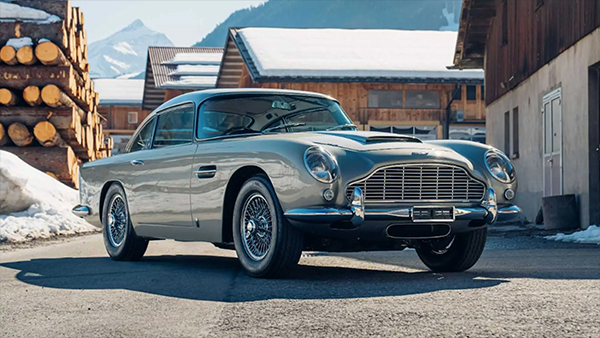
Bulldog is not unique among older Aston Martins, though. Look inside any of the cars built since the early 1920s and you will see the same level of craftsmanship and, always, the best design features of the period. A 1930s Aston Martin interior is dominated by beautiful, large gauges and a generous amount of switchgear. The elegant, early DB models of the 1950s had a well-stocked walnut instrument panel. By the 1960s models such as the DB5 featured reclining bucket seats, power window lifts and a wood rimmed steering wheel. The skills needed to create these welcoming cabins have been passed down through the generations of trimmers that create the current range of Aston Martin sports cars, too. Maybe, therefore, even the incredible Valhalla has a touch of ‘Bulldog spirit’ about it?

Words by Aston Martin Company Historian, Steve Waddingham.